Home Best Chimney for Indian Kitchen 2026 – Complete Educational Buying Guide What is the best chimney for Indian...
Table of Contents
Toggle
Indian cooking is not gentle.
It is intense, emotional, daily, and deeply rooted in tradition. From sizzling tadkas and pressure cookers to grinding fresh masalas and cooking three meals a day, an Indian kitchen faces challenges that most global kitchen designs were never built for.
Yet, modular kitchens have become extremely popular across India in the last decade. Showrooms promise “European design,” “sleek finish,” and “modern living.” But the real question Indian homeowners ask—often too late—is:
This article answers that question honestly—without exaggeration, without fear marketing, and without blind praise. Whether you live in a Delhi apartment, a builder floor, or a joint family home, this guide will help you decide with clarity.
Most modular kitchen concepts originated in Europe, where cooking habits are very different. To judge suitability, we must first understand how Indian kitchens actually function.
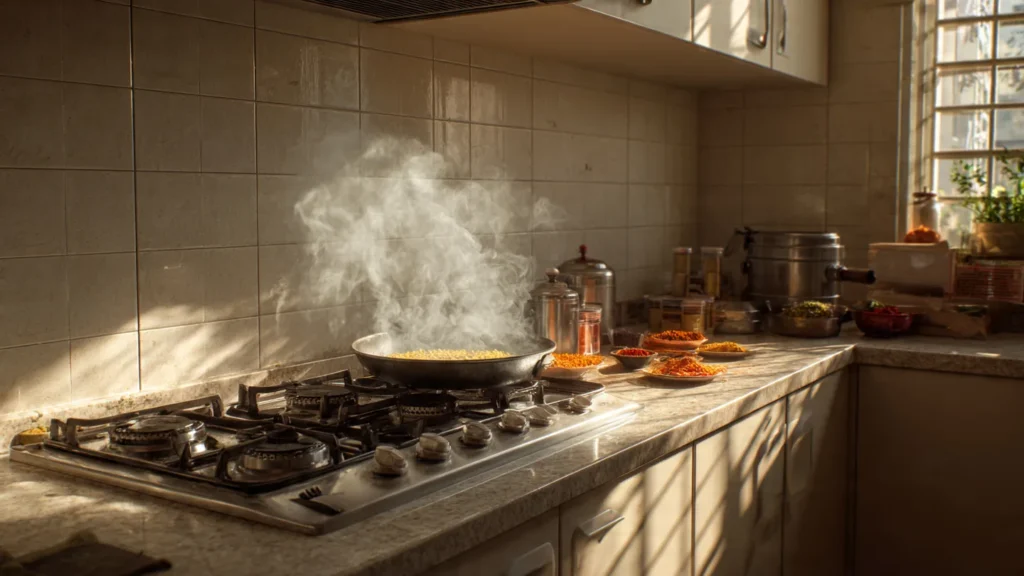
Indian food relies heavily on oil tempering—jeera, rai, curry leaves, garlic, onions—often fried at high temperatures. Unlike Western cooking, where sautéing is lighter and less frequent, Indian kitchens experience:
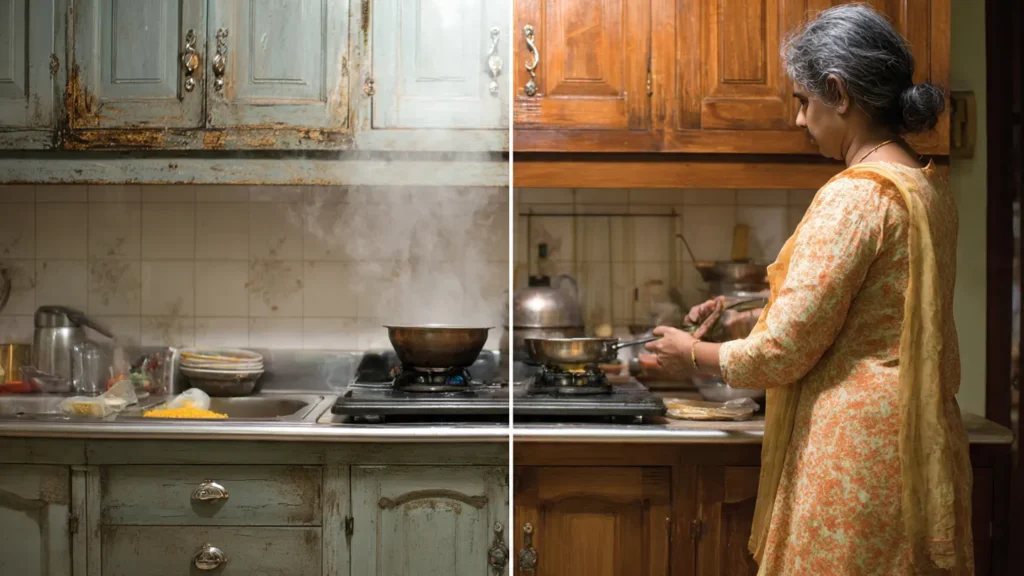
In a traditional Indian kitchen, surfaces are chosen to survive this abuse. A poorly designed modular kitchen, however, can quickly show stains, discoloration, and peeling if materials are not selected carefully.
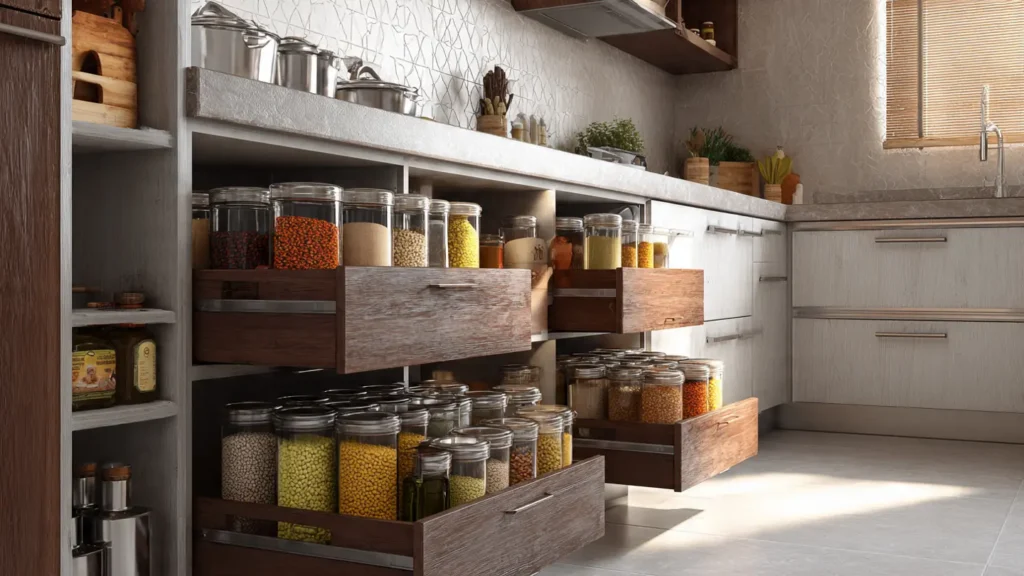
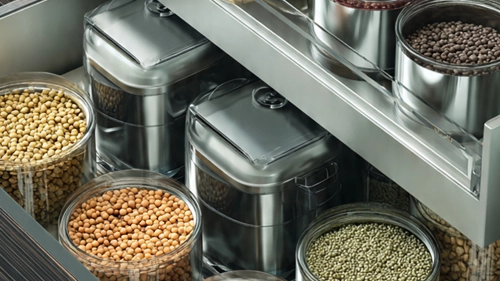
Indian kitchens store more ingredients than most global kitchens:
Grinding spices using mixers, sil-batta, or food processors creates vibration and heat. Storage units must be strong, deep, and intelligently organized.
Many showroom-style modular kitchens fail here because they prioritize appearance over practicality—shallow drawers, decorative cabinets, and limited weight-bearing capacity.
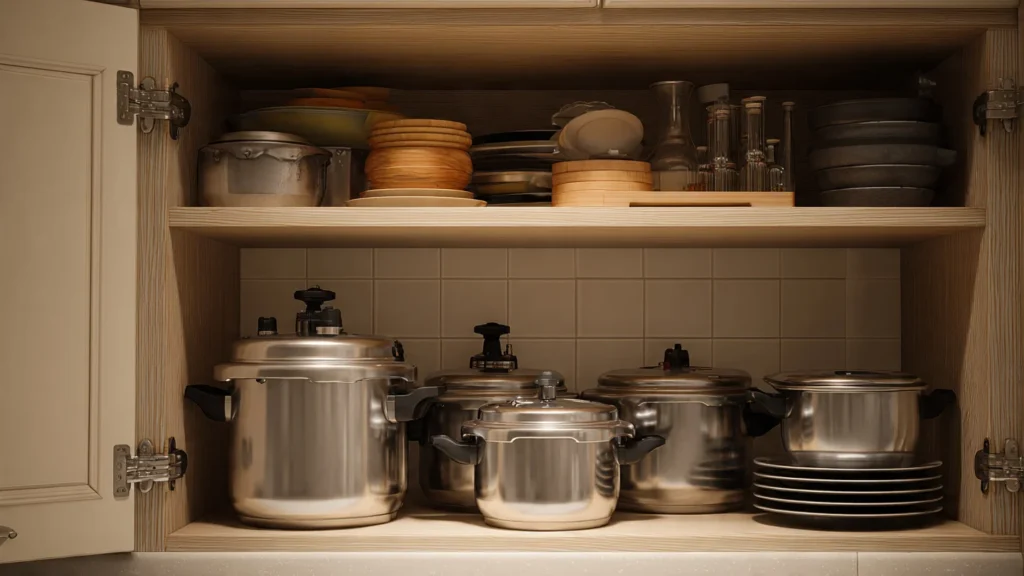
Pressure cookers are used daily in Indian homes—for dals, rice, vegetables, and curries. This means:
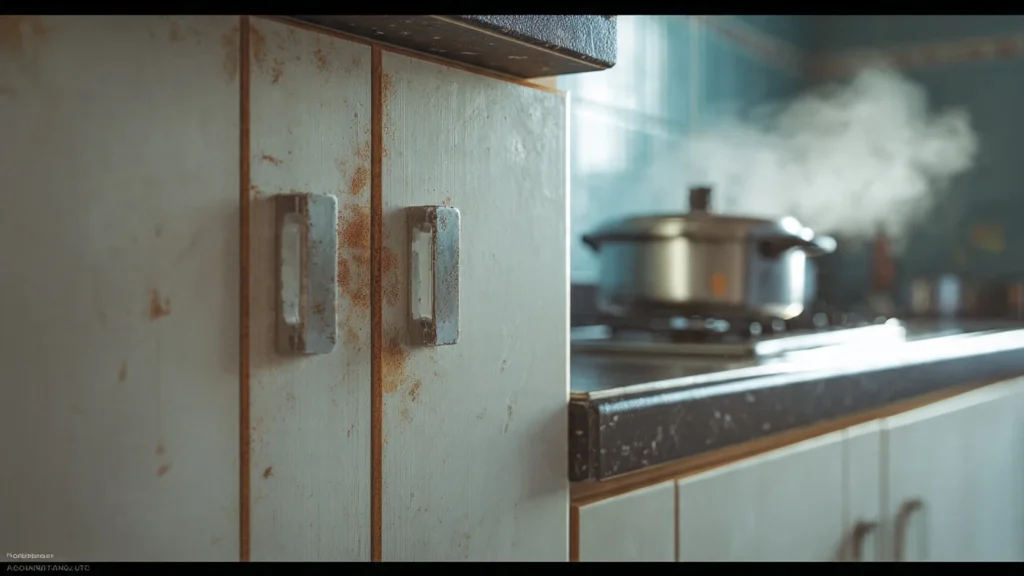
Over time, steam is the biggest enemy of low-quality modular kitchens. Without moisture-resistant boards and proper ventilation, cabinets swell, hinges rust, and shutters warp.
This is where reality hits. Most complaints about modular kitchens in India are not because modular kitchens are bad—but because they were not designed for Indian cooking conditions.
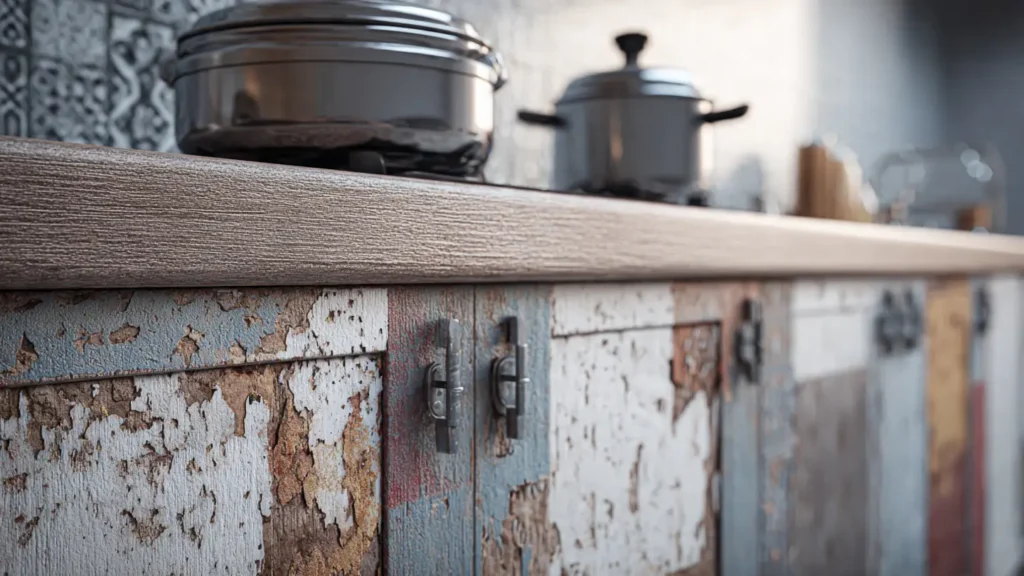
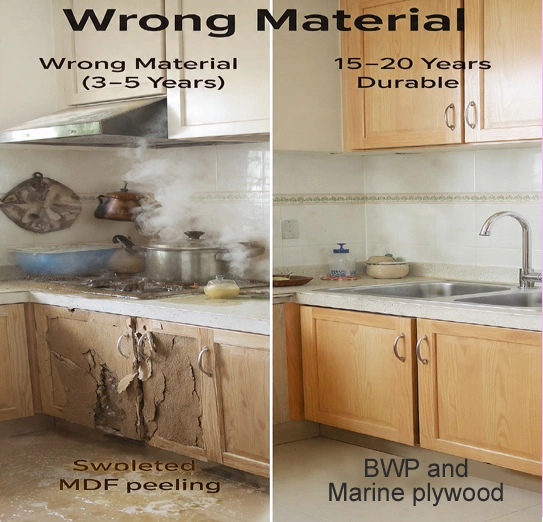
One of the most common failures is cabinet swelling near the sink or cooking area. This happens when:
Once swelling starts, the damage is irreversible. Shutters stop closing properly, laminate peels, and the kitchen starts looking old within 2–3 years.
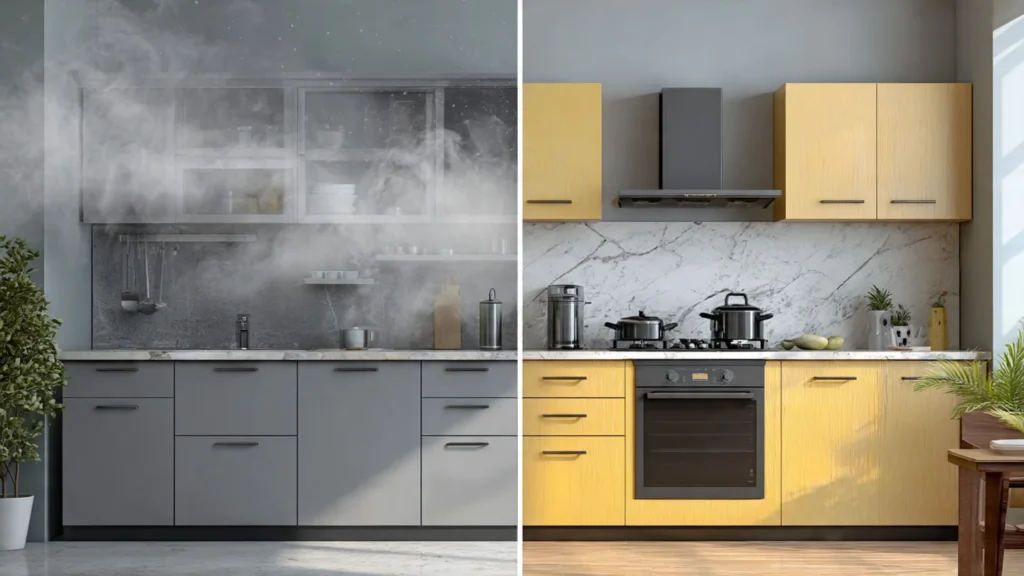
Indian food produces heavy smoke, oil vapour, and strong aromas. Many kitchens are fitted with chimneys designed for light cooking, resulting in:
A modular kitchen without a chimney optimized for Indian cooking becomes high-maintenance very quickly.
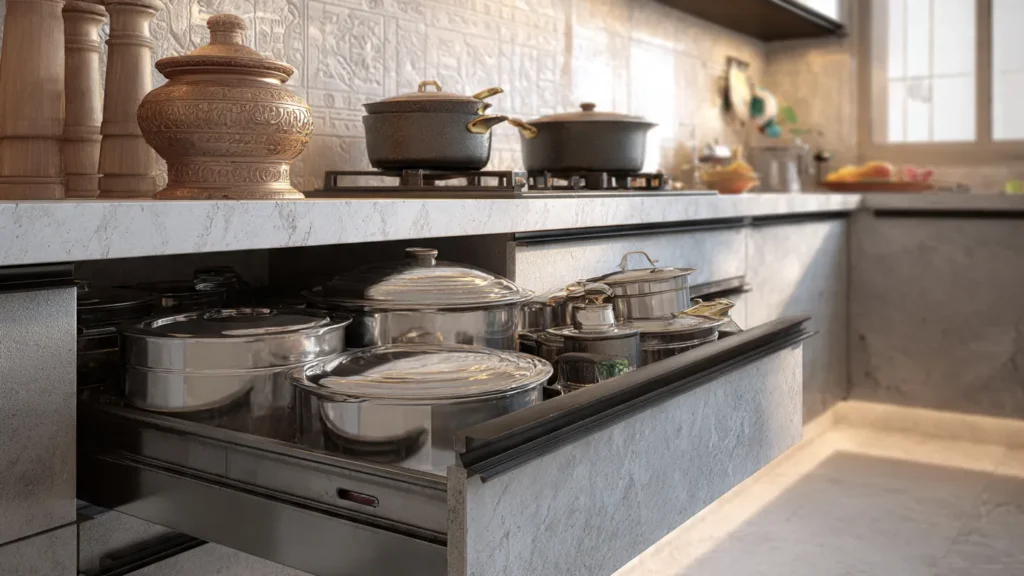
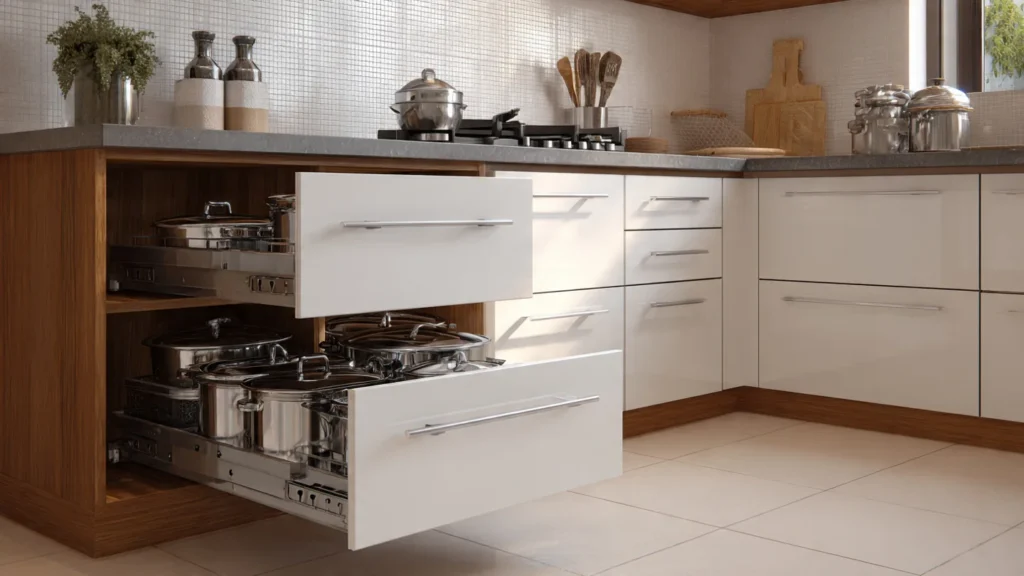
Indian utensils are heavy—pressure cookers, iron tawas, kadais, large pots. Many modular kitchens are designed with:
Over time, drawers sag, channels fail, and shelves crack if not designed for Indian usage.
Now the truth that many sellers won’t say openly:
A modular kitchen can be excellent for Indian cooking—but only if it is built specifically for Indian conditions.
Let’s break down what actually works.
In 2026, the best modular kitchens for Indian homes use:
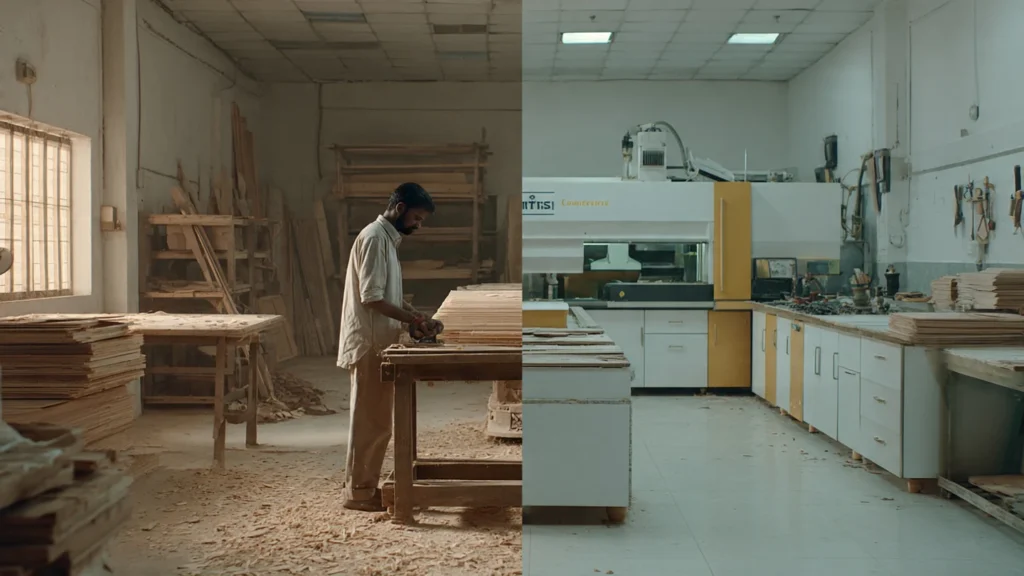
Factory-controlled manufacturing ensures consistency—something that on-site carpentry often fails to deliver.
Layouts matter more than design.
Indian kitchens work best when:
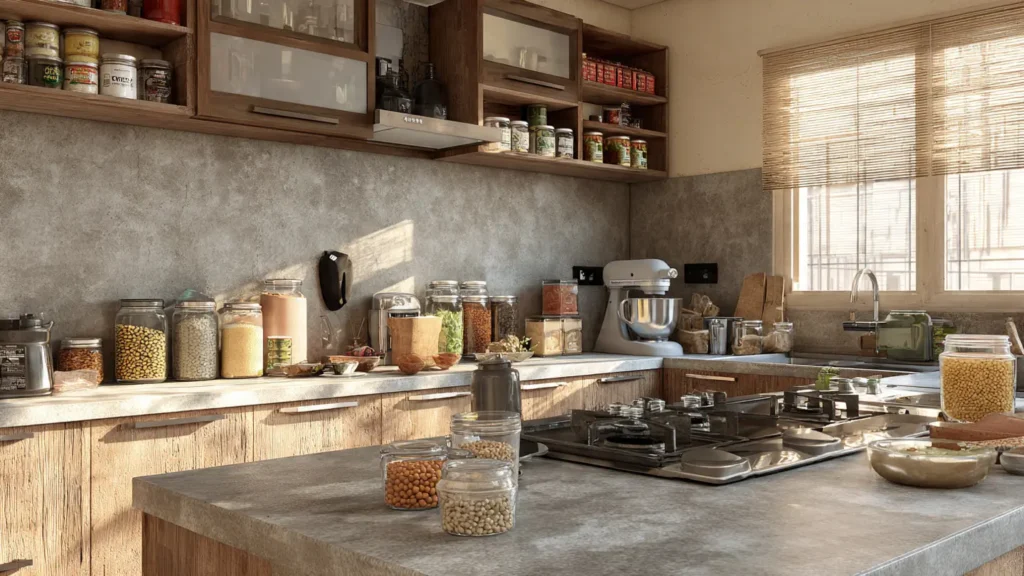
Layouts like L-shaped, parallel, and U-shaped kitchens perform far better than decorative layouts copied from foreign catalogs.
A modular kitchen becomes low-maintenance when paired with:
When ventilation is planned correctly, oil, heat, and moisture do not damage cabinetry—even with daily heavy cooking.
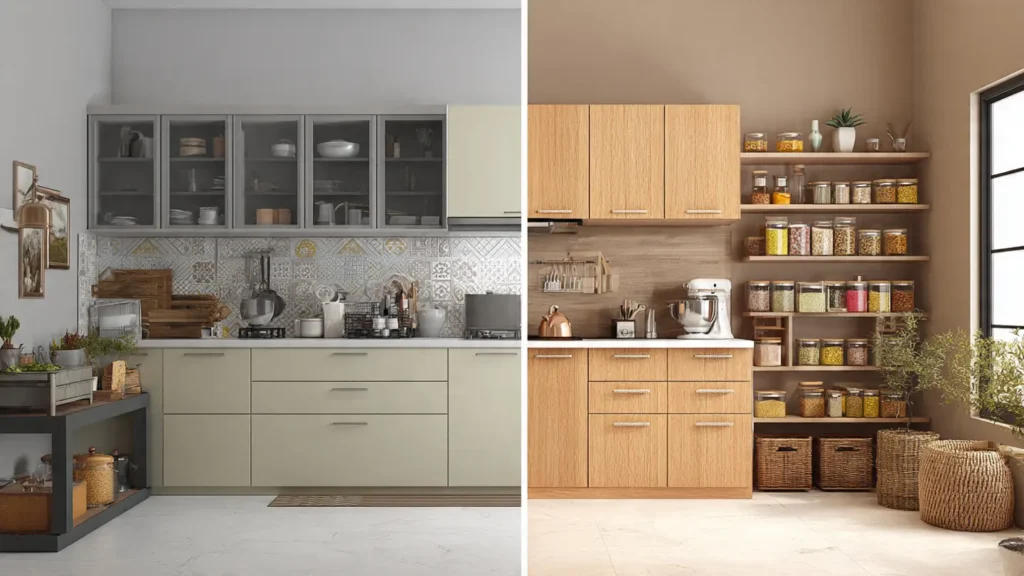
This comparison is crucial for Indian homeowners deciding in 2026.
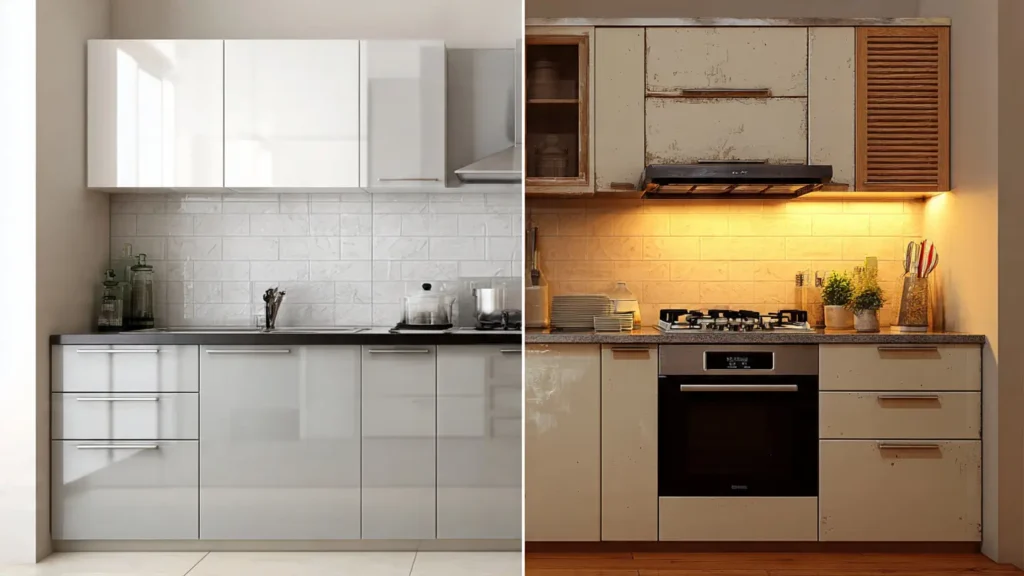
Local Carpenter Kitchens
Factory-Direct Modular Kitchens
Factory manufacturing ensures reliability—especially important in high-usage kitchens.
While carpenter kitchens may appear cheaper initially, modular kitchens often win long-term because:
A well-designed factory-direct modular kitchen can last 15–20 years with minimal issues—even with Indian cooking habits.
Let’s answer this clearly, without marketing bias.
Who Should Choose Modular Kitchens
You should choose a modular kitchen if:
When done right, a modular kitchen enhances efficiency, comfort, and cleanliness in Indian homes.
You should rethink or customize heavily if:
A modular kitchen is not a one-size-fits-all product. Without customization, it can fail—but with the right planning, it performs exceptionally well.
Pressure cookers are used daily in Indian homes—for dals, rice, vegetables, and curries. This means:
Over time, steam is the biggest enemy of low-quality modular kitchens. Without moisture-resistant boards and proper ventilation, cabinets swell, hinges rust, and shutters warp.
A modular kitchen is good for Indian cooking only when it uses moisture-resistant materials, proper chimney suction, and layouts designed for heavy daily usage like tadka, pressure cooking, and masala storage.
Indian modular kitchens fail early due to poor ventilation, low-quality boards near the sink, and designs copied from Western kitchens that ignore oil and steam.
L-shaped and parallel modular kitchens are best for Indian cooking because they handle heavy utensils, multiple storage needs, and efficient workflow.
Looking to learn more interesting facts. Here are few links which guide you why buying a factory direct modular kitchen vs Showrooms brands is beneficial.

Home Best Chimney for Indian Kitchen 2026 – Complete Educational Buying Guide What is the best chimney for Indian...

Ultimate 2026 Guide to Modular Kitchen Materials (Indian Homes Edition) What are the best modular kitchen materials for Indian...
Modular Kitchen for Indian Cooking Really Suitable ? Honest Truth for 2026 Indian cooking is not gentle. It is...

We use cookies to improve your browsing and personalize your experience on Tiyara Livings. By continuing, you agree to our use of cookies.
tiyaralivings.com
✨ Factory-Direct Modular Kitchens in Delhi NCR
🚀 72 Hours Installation
💬 Chat with us now for your FREE Quote!
“Which type of modular kitchen are you looking for?
👉 L-Shape | U-Shape | Island | Not Sure Yet”
WhatsApp Us
Online | Privacy policy
WhatsApp us